Skip to content

Why Amber Glass Lighting Is Back | Warm Glow Chandeliers | Severn
- by zhanglei
Why Amber Glass Lighting Is Back
After a decade of cool white and clear glass, homes are turning warm again. Here is why amber glass chandeliers are the light designers keep reaching for, and how to bring the glow home.

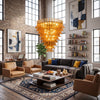
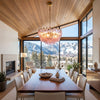
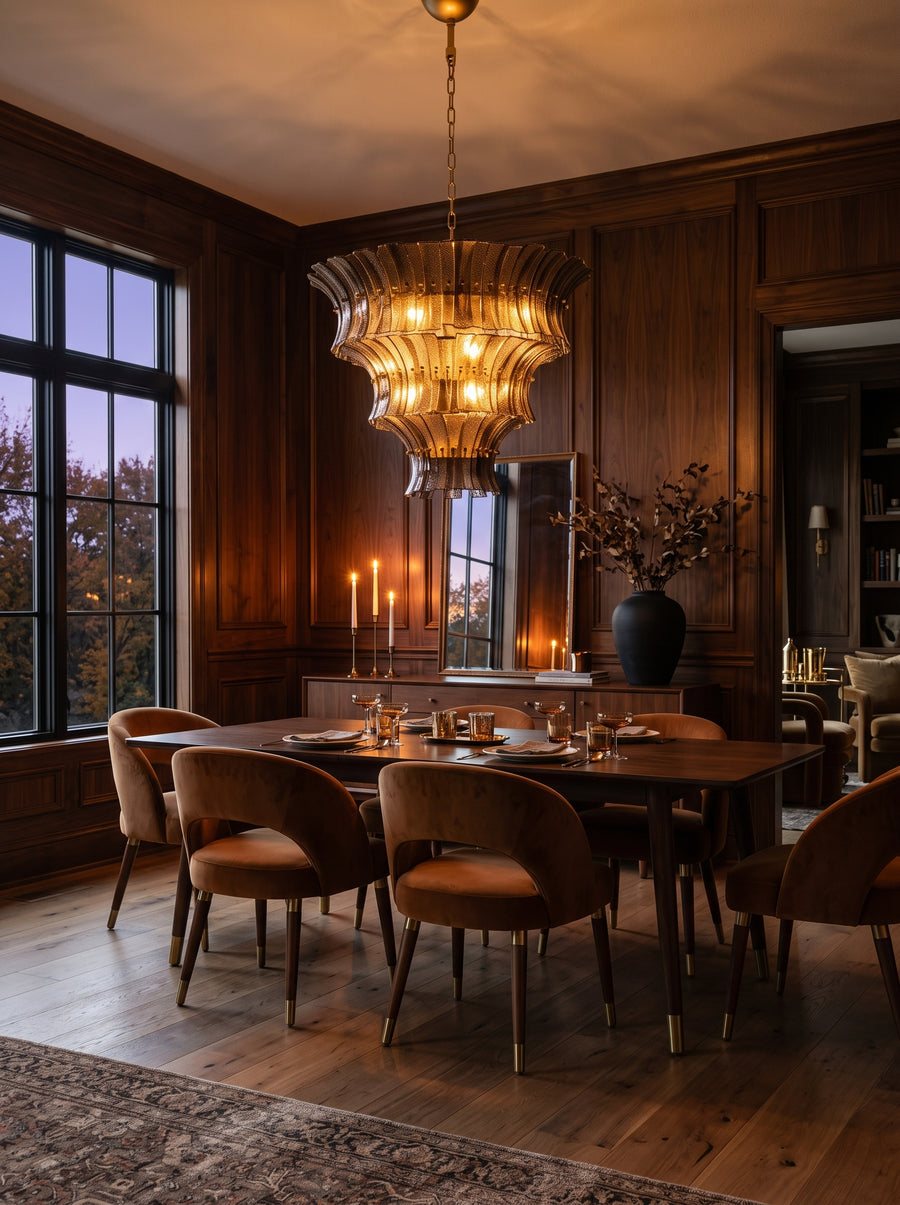
Amber glass lighting is back because it does what cool white light can't: it makes a room feel warm before you even switch it on. The color is fused into the glass itself, so an amber chandelier reads as honey and gold by day and casts a soft, candle-like glow at night. It pairs naturally with the wood, brass, and warm neutrals that are replacing all-white and gray interiors, and it carries a mid-century character without looking like a reproduction.
Where the amber glow comes from
Amber glass was everywhere in the 1960s and 70s: smoked pendants over kitchen tables, tiered glass chandeliers in conversation pits, and honey-toned shades in desert modern homes from Palm Springs to Scandinavia. It was the color of a slower, warmer evening.
For years afterward it was filed away as retro. Today it is coming back in a different form: cleaner metal frames, more architectural silhouettes, and hand-formed glass that looks crafted rather than nostalgic. The new amber is less about the past and more about how a room feels at the end of the day.

“Clear glass shows you the bulb. Amber glass shows you the light.”
Why designers are reaching for amber now
-
01
Warmth is the new neutral
Interiors have moved away from stark white and cool gray toward wood, plaster, linen, and earth tones. Amber glass belongs to that palette. It warms the light without adding another loud color to the room.
-
02
It looks good with the lights off
Most chandeliers disappear in daylight. Because the color runs through amber glass rather than sitting on its surface, the fixture keeps its honey tone at noon, so it works as a sculptural object even when it isn't lit.
-
03
A softer, candle-like glow
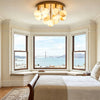
Amber glass filters the light into deeper gold tones, which feel closer to candlelight and firelight. That is why it is so often chosen for dining rooms and bedrooms, where people want to linger rather than work.
-
04
Handmade texture over mass-produced polish
Fluted tubes, swirls, ripples and petals catch light differently on every piece. Hand-formed glass carries small variations that make a fixture feel collected, not bought off a shelf.
-
05
Mid-century character, modern lines
Amber nods to the 1960s and 70s, but today's frames are simpler and more architectural. The result fits mid-century, Japandi, organic modern and transitional homes alike.
The same chandelier, two moods


Color you can see in daylight
- Color fused through the glass, so it won't wipe or flake off
- A warm, honey-gold glow with warm white bulbs
- An easy partner for wood, brass, linen and leather
- Texture that changes as you walk around it
Not dim, not dated
- Not a painted or sprayed tint on clear glass
- Not dark: with enough sockets, it still lights the room
- Not only for retro homes; it suits modern interiors too
- Not orange, if you choose the right bulb color
How amber glass catches light

Fluted tubes
Ribbed tubes carry light down their length and end in a bright star point.

Swirled panels
Ribbons of amber inside clear glass give a lighter, more painterly glow.

Rippled petals
Curved, overlapping petals scatter light into many small highlights.

Ribbed rods
Long blown-glass rods break light into fine vertical lines.
Five amber glass chandeliers, from cozy to grand
Every piece below uses hand-formed amber glass on a metal frame. They are listed from the most compact to the most dramatic, so you can match one to your ceiling and your room.
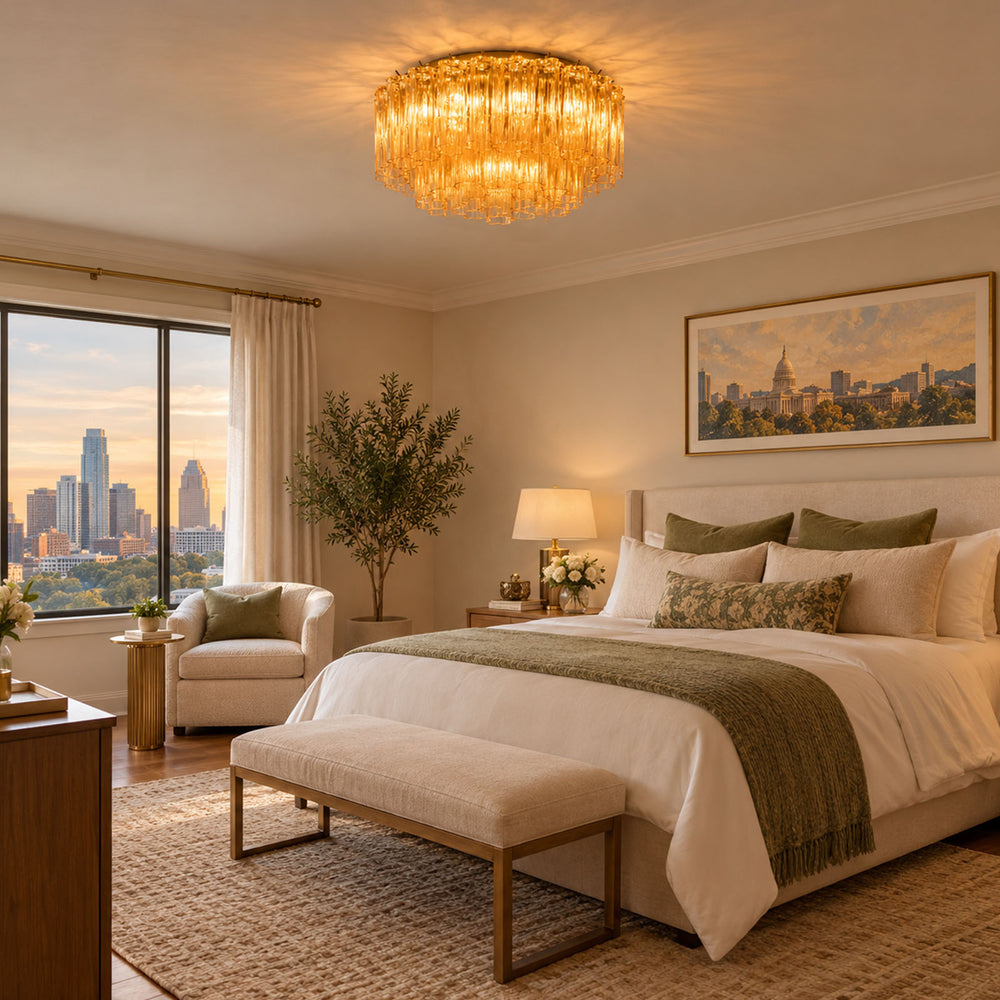
Ambleve
Amber glass tube flush mountTwo rings of fluted, star-ended tubes sit close to the ceiling, giving low-ceiling rooms the amber glow without anything hanging into your headroom.
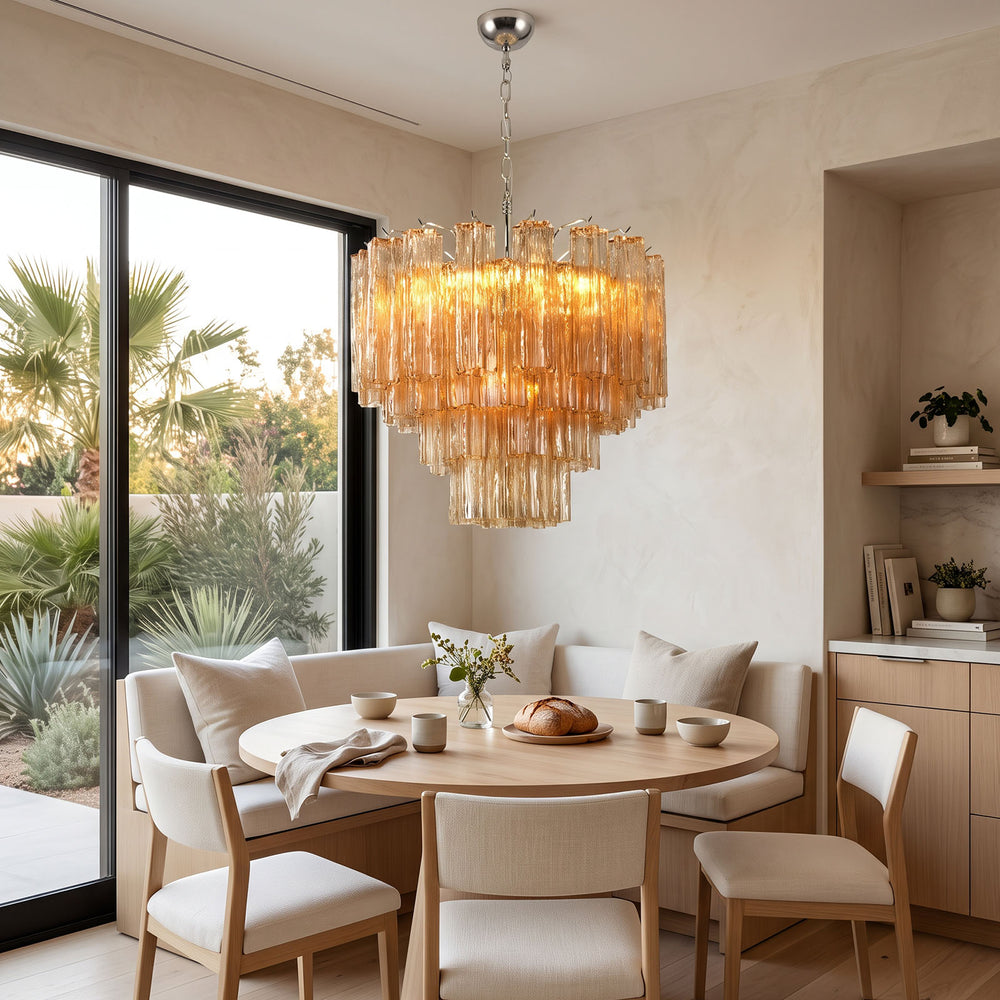
Merlande
Amber glass tube tiered chandelierForty-six fluted tubes fall in four descending tiers. Compact enough for a breakfast nook or entry, warm enough to anchor a round dining table.
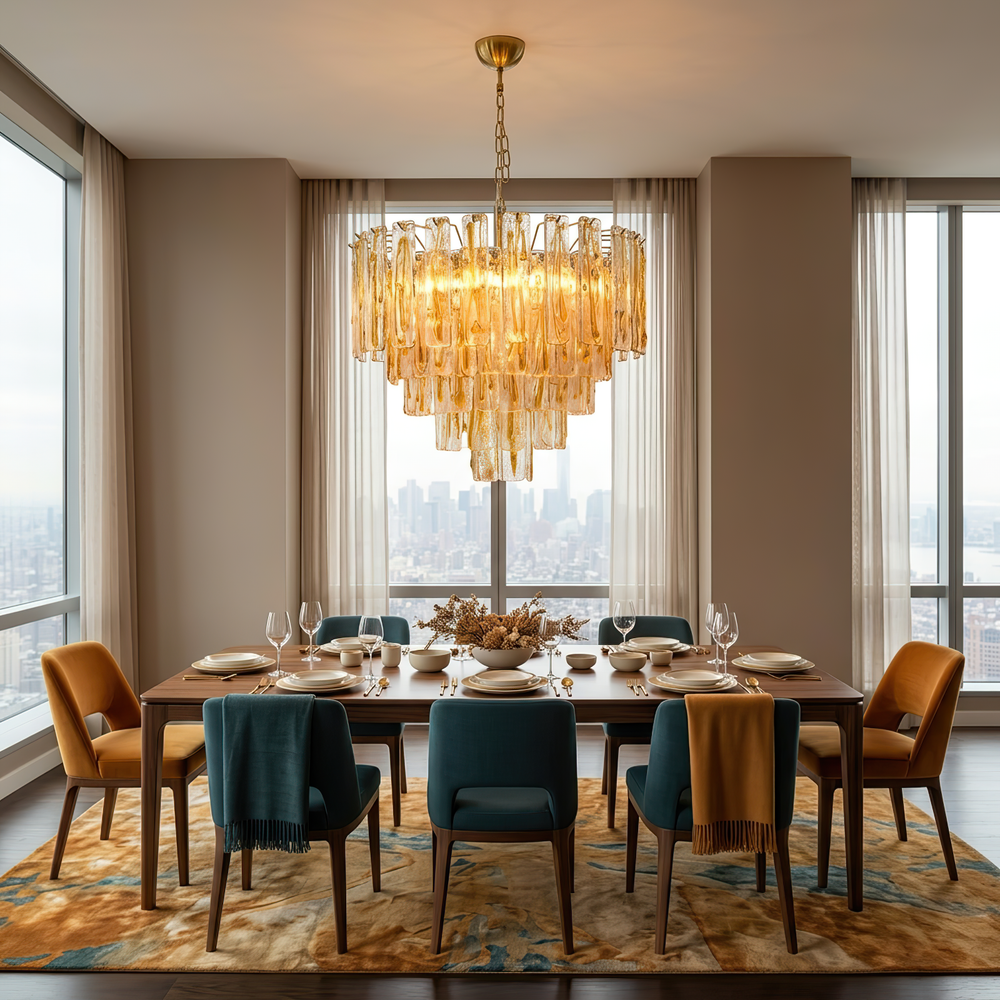
Orvelane
Amber swirl glass tiered chandelierFive stepped tiers of clear glass panels, each swirled with amber. The most mid-century of the group, and the softest glow, made for living rooms and longer tables.
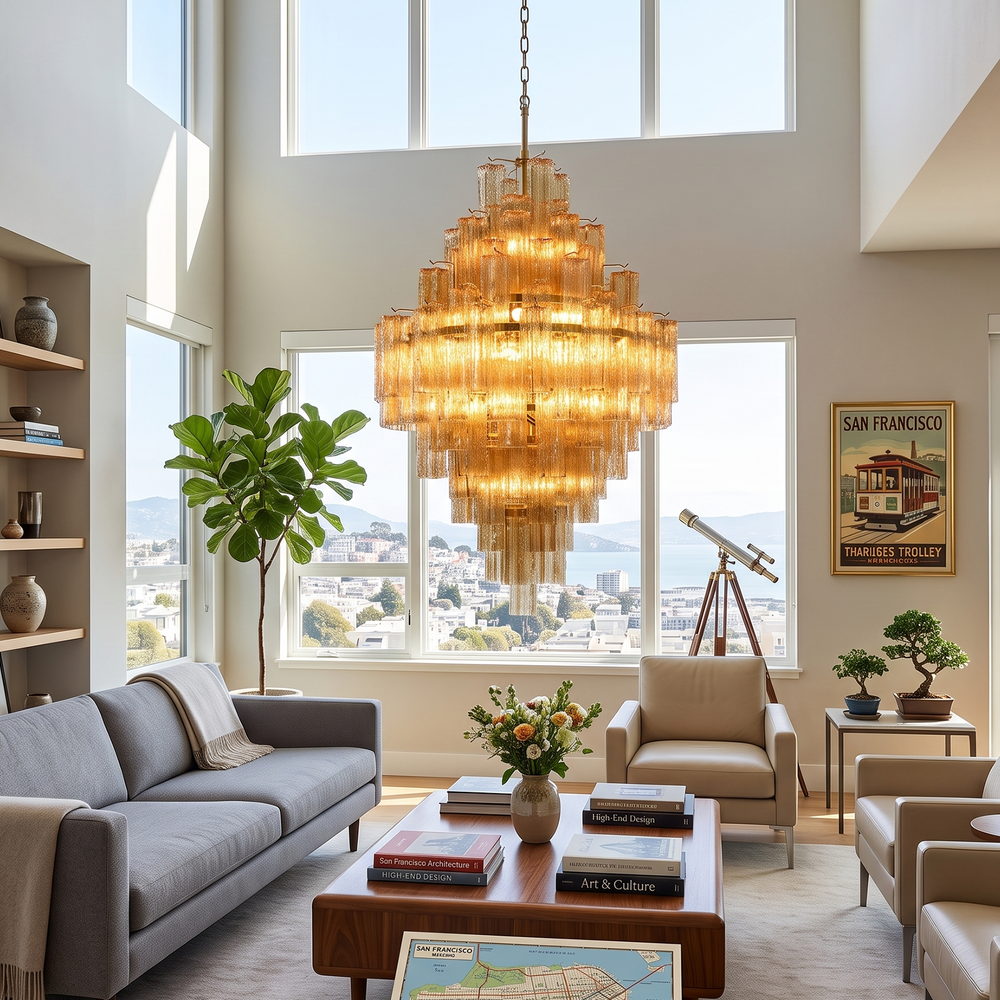
Kester
Amber glass tier chandelierRibbed amber rods stack into a stepped square silhouette that narrows to a point. Architectural rather than round, it fills the height of a double-volume room.
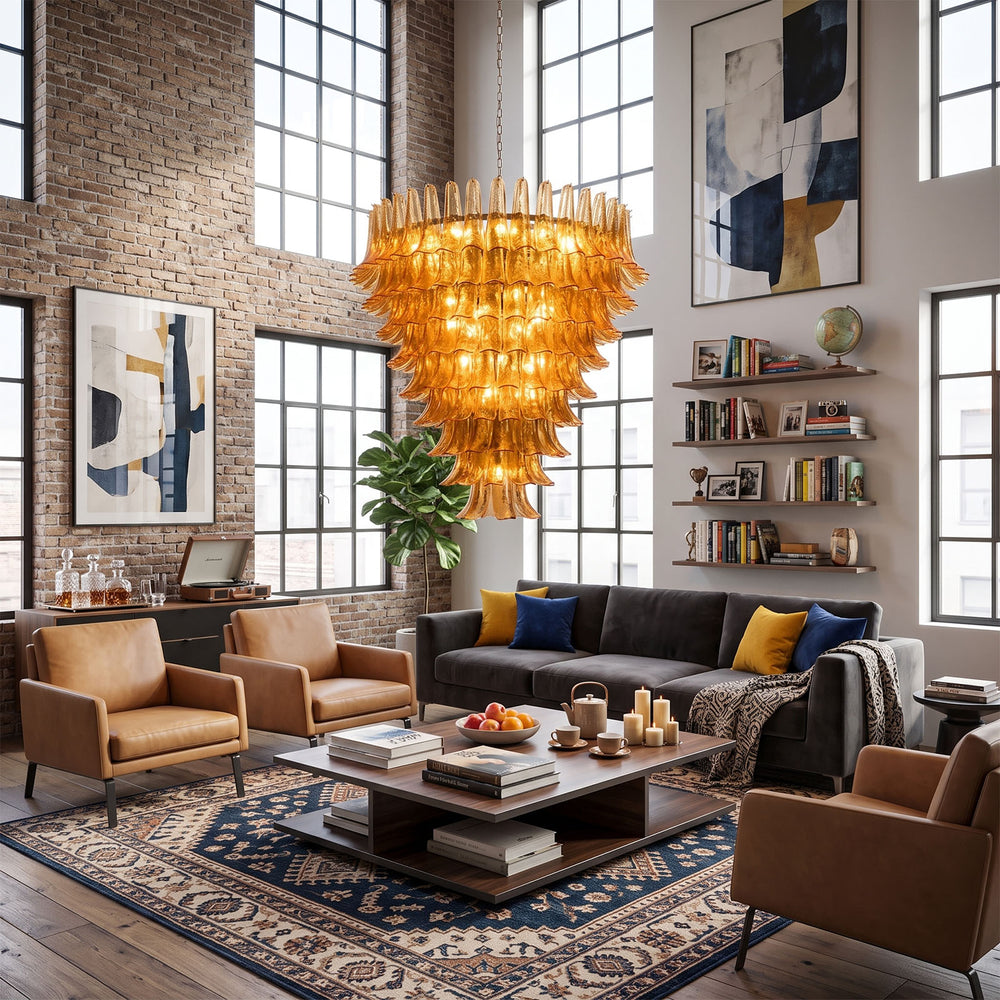
Odile
Amber petal tier chandelierRows of curved, rippled petals overlap like scales in a sculptural cone nearly four feet tall. A true statement piece for grand foyers and double-height living rooms.
How to style amber glass at home
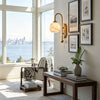
Amber is a warm color, so it looks best surrounded by other warm materials. Use the light as the gold note in the room and let the rest stay quiet.
Pair it with
- Walnut, oak and other mid-tone woods
- Brass and gold hardware, or nickel for a cooler balance
- Cream, oatmeal, terracotta, olive and deep green
- Leather, bouclé, linen and travertine
- Warm white bulbs around 3000K
Avoid
- Cool daylight bulbs (5000K+), which turn amber flat and murky
- Too many other orange accents competing with the glow
- Hanging it too high over a table, where the glow loses intimacy
- Ammonia sprays or glass cleaners on the frame when cleaning
Amber glass lighting FAQ
Is amber glass lighting outdated?
No. Amber glass started in mid-century design, but it has returned with warmer interiors. Today's amber chandeliers pair hand-formed glass with simpler, more architectural frames, so they suit modern, mid-century, Japandi and organic modern homes rather than reading as retro.
Does amber glass make a room darker?
Amber glass shifts light toward warm gold tones, so it feels softer than clear glass. For a main light source, choose a fixture with enough sockets for the room. For example, the Orvelane uses 19 candelabra bulbs and the Ambleve flush mount uses 9, which keeps the light even.
What bulb color temperature works best with amber glass?
Warm white bulbs around 3000K are recommended. They bring out honey and gold tones without turning the light orange. Avoid cool daylight bulbs of 5000K and above, which make amber glass look flat.
Will the amber color fade over time?
On Severn's hand-formed amber glass, the color is fused into the glass while it is molten rather than painted on the surface, so it is not a coating that can wear off.
What decor styles go with amber glass chandeliers?
Amber glass works best with warm palettes: mid-century modern, Palm Springs modern, Japandi, organic modern and transitional interiors. It pairs well with wood, brass or gold accents, leather and warm neutrals like cream, terracotta and olive.
Which amber chandelier suits a low ceiling?
For ceilings of about 7.5 to 9 feet, a flush mount such as the Ambleve (22″ wide, 11.8″ tall) gives the amber glow without hanging into your headroom. For double-height spaces of about 12 feet or more, taller pieces like the Kester or Odile fill the vertical space.
How high should an amber chandelier hang over a dining table?
Keep the lowest glass about 30 to 36 inches above the tabletop, and at least 7 feet above the floor anywhere people walk underneath.
Find your amber light
Hand-formed amber glass, free shipping and duties for US orders, 30-day returns and a 730-day warranty.
- Posted in:
- Amber Glass
- Chandeliers
- Lighting Trends
- Mid-Century Modern